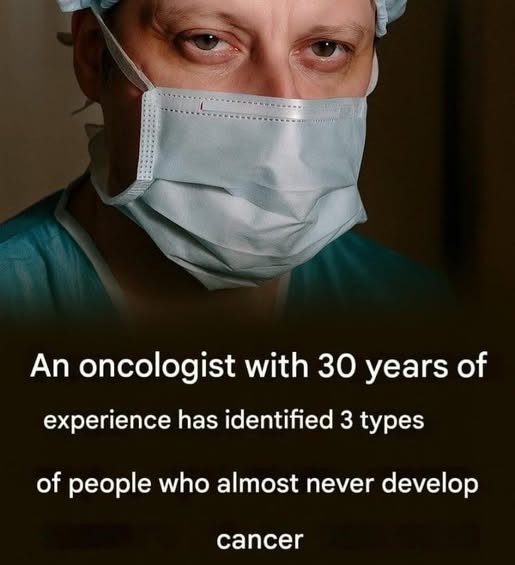
An Oncologist With 30 Years of Experience Says There Are Three Types of People Who Almost Never Develop Cancer
Cancer is one of the most feared diseases in the world, so it’s understandable that people are interested in anything that might lower their risk.
But there is an important distinction between reducing cancer risk and being somehow protected from cancer.
There are no three types of people who are guaranteed—or even reliably known—to “almost never” develop cancer. Cancer risk is influenced by age, genetics, environmental exposures, infections, lifestyle, chance, and many other factors. Even people who live very healthy lives can develop cancer.
That said, research has identified several characteristics associated with a lower risk of certain cancers.
1. People who don’t smoke
Tobacco use is one of the largest preventable causes of cancer. Smoking is strongly associated with cancers of the lung, mouth, throat, esophagus, bladder, pancreas, kidney, stomach, liver, colon and rectum, and several other organs.
Avoiding tobacco—and quitting if you currently smoke—can substantially reduce cancer risk.
2. People who maintain healthy lifestyle habits
Regular physical activity, maintaining a healthy body weight, eating a balanced diet, and limiting alcohol can lower the risk of several cancers.
This doesn’t mean a particular food or exercise routine can prevent cancer. Rather, overall patterns of behavior matter.
A healthy diet generally emphasizes vegetables, fruits, whole grains, legumes, and other minimally processed foods while limiting processed meats, excessive alcohol, and highly processed foods.
3. People who take prevention and screening seriously
Some cancers can be prevented or detected early through established medical interventions.
Depending on age, sex, family history, and other risk factors, this can include appropriate screening for colorectal, breast, cervical, lung, and other cancers. Vaccination against HPV and hepatitis B can also prevent infections that contribute to certain cancers.
The truth behind the headline
There is no special category of person who is immune to cancer.
Instead, think of cancer prevention as stacking the odds in your favor: don’t use tobacco, stay physically active, maintain a healthy weight, limit alcohol, protect yourself from excessive ultraviolet exposure, keep recommended vaccinations up to date, and follow appropriate screening recommendations.
And if cancer runs strongly in your family, don’t assume that healthy habits eliminate your risk. A healthcare professional or genetic counselor can help determine whether additional screening or genetic evaluation makes sense.
Healthy habits can lower risk—but they cannot guarantee that cancer will never occur.