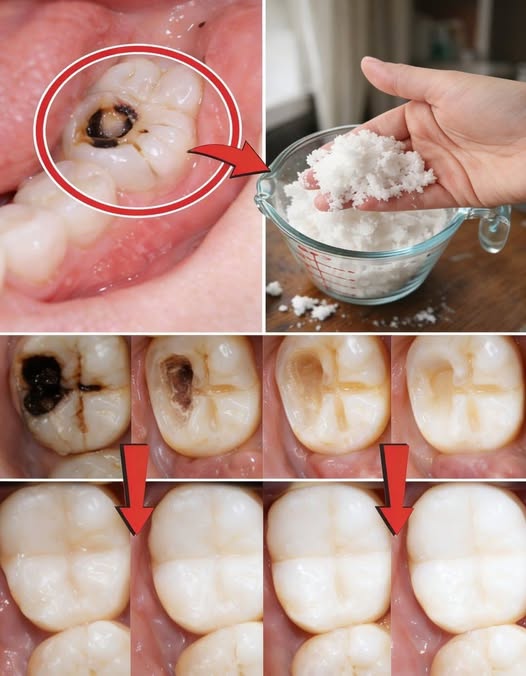
Keep These Tips in Mind to Protect Your Teeth — Can You Naturally Repair a Cavity?
A tiny dark spot or a sensitive tooth can be easy to ignore, especially when there is no significant pain. Many people then search for natural ways to “repair” a cavity at home.
There is an important distinction, however: early tooth decay can sometimes be stopped or remineralized, but an established cavity is a physical loss of tooth structure and cannot reliably be rebuilt with a home remedy. Once a hole has formed, professional dental treatment may be necessary.
The good news is that you can do plenty to reduce the chance of decay getting worse.
🦷 1. Give Your Teeth Fluoride
Fluoride helps strengthen enamel and supports remineralization of early areas of tooth decay.
Brushing twice daily with a fluoride toothpaste is one of the most effective everyday measures for preventing cavities.
After brushing, spit out the excess toothpaste rather than immediately rinsing thoroughly with water.
🪥 2. Clean Between Your Teeth
A toothbrush cannot reach every surface between your teeth.
Floss, interdental brushes, or another dentist-recommended method can remove plaque and food debris from these areas.
Cleaning between the teeth once a day can be particularly helpful for preventing decay in places that are otherwise easy to miss.
🍬 3. Pay Attention to How Often You Eat Sugar
It’s not only the amount of sugar that matters.
Frequent snacking and sipping sugary drinks throughout the day repeatedly expose your teeth to acids produced by oral bacteria.
Instead of constantly grazing, try keeping sugary foods and drinks to mealtimes and choose water between meals.
💧 4. Don’t Ignore Dry Mouth
Saliva naturally helps protect teeth by washing away food particles and contributing minerals that support enamel.
Certain medications, dehydration, and some medical conditions can reduce saliva production.
If your mouth frequently feels dry, mention it to a healthcare professional or dentist rather than simply trying to cover up the symptom.
🧀 5. Choose Tooth-Friendly Foods
A balanced diet supports overall oral health.
Water, dairy products, vegetables, nuts, and other minimally processed foods can generally be better choices for your teeth than frequent sugary snacks and sweetened beverages.
🚫 6. Be Careful With “Natural Cavity Cures”
You may see recommendations involving lemon juice, vinegar, baking soda, charcoal, or concentrated essential oils.
Natural doesn’t automatically mean harmless.
Acidic ingredients can erode enamel, while abrasive substances can wear away the tooth’s protective surface. These approaches may make a tooth look temporarily different without actually repairing the underlying decay.
🩺 When Should You See a Dentist?
Don’t wait for severe pain.
A dentist should evaluate symptoms such as:
- Persistent tooth sensitivity
- Pain when biting
- A visible hole or darkened area
- Swelling around the tooth
- A broken or weakened tooth
- Persistent bad taste or drainage
- Toothache that keeps returning
Early decay may sometimes be managed without drilling, depending on its stage. But once a true cavity has developed, delaying treatment can allow the decay to reach the inner parts of the tooth, potentially leading to infection and more extensive treatment.
The Bottom Line
There isn’t a proven kitchen recipe that can naturally rebuild a tooth after a cavity has created a hole.
But protecting your enamel, using fluoride toothpaste, cleaning between your teeth, limiting frequent sugar exposure, and getting dental problems checked early can go a long way toward keeping small problems from becoming big ones.
The best way to avoid an unnecessary dental emergency isn’t to avoid the dentist entirely—it’s to protect your teeth every day and seek care before a small problem becomes a painful one.