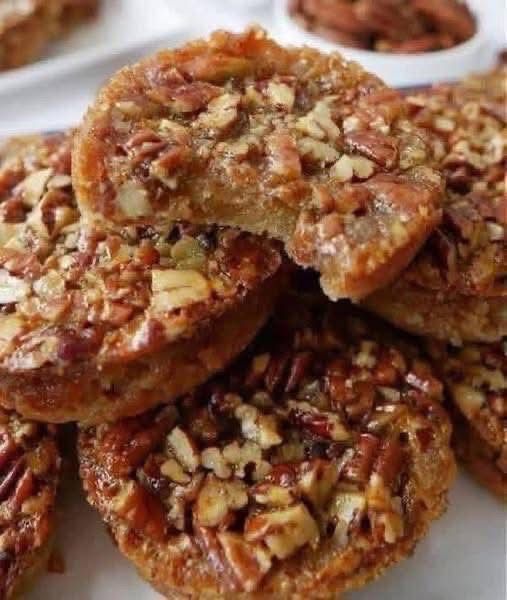
Classic 3-Ingredient Shortbread Cookies
The hallmark of a perfect shortbread cookie is its simplicity and its “melt-in-your-mouth” texture. Unlike standard sugar cookies, traditional shortbread contains no leavening agents like baking powder or soda. It relies entirely on the quality of the butter and the ratio of ingredients to create a rich, buttery crumb that is crisp yet delicate.
Because there are so few ingredients, the technique—particularly how you handle the butter—is the key to success.
Ingredients
-
1 cup (2 sticks) Unsalted Butter: Softened to room temperature.
-
1/2 cup Granulated Sugar: Plus extra for sprinkling on top.
-
2 cups All-purpose Flour: Sifted.
-
Optional: 1/4 tsp Salt (if using unsalted butter) and 1 tsp Vanilla Extract.
Instructions
1. Cream the Butter and Sugar
In a large bowl, beat the softened butter and granulated sugar together until the mixture is smooth and creamy. If you are using vanilla or salt, add them now. You are not looking for a “fluffy” texture like a cake; you just want the sugar fully incorporated into the fat.
2. Incorporate the Flour
Gradually add the sifted flour to the butter mixture. Mix on low speed or by hand until a soft dough forms. It may look crumbly at first, but keep mixing until it comes together in a ball. Do not overwork the dough, as this will develop the gluten and make the cookies tough.
3. Shape and Chill
For traditional “shortbread fingers,” press the dough into a parchment-lined 8×8 inch baking pan, smoothing the top with a spatula. Use a fork to prick rows of holes across the surface (this allows steam to escape).
Alternatively, roll the dough into a log, wrap in plastic wrap, and refrigerate for 30 minutes. Chilling the dough ensures the cookies hold their shape and stay tender.
4. Cut and Bake
Preheat your oven to 325°F (165°C).
-
If using the pan: Score the dough into rectangular fingers with a knife before baking.
-
If using a log: Slice into 1/2-inch thick rounds and place on a baking sheet.
Bake for 20–25 minutes. The cookies should stay pale; they are done when the edges are just barely beginning to turn a light golden brown.
5. Cool and Set
Remove from the oven and immediately sprinkle the tops with a little extra granulated sugar while they are still warm. Let them cool completely in the pan or on a wire rack. Shortbread is quite fragile when hot and needs to “set” as it cools to achieve that signature snap.
Pro Tips for Success
-
Butter Quality: Since butter is the primary flavor, use the best quality you can find. European-style butters with a higher fat content provide a richer flavor and better texture.
-
Measurement Accuracy: Use the “spoon and level” method for your flour. Too much flour will result in a dry, sandy cookie that falls apart.
-
The “Docking” Technique: Pricking the dough with a fork (docking) isn’t just for decoration. It prevents bubbles from forming and ensures the shortbread bakes evenly all the way through.
-
Storage: Shortbread cookies have a long shelf life. They stay fresh in an airtight container for up to two weeks and actually improve in flavor after a day or two.
Variations
-
Chocolate Dipped: Once cooled, dip half of each cookie into melted dark chocolate and top with a pinch of sea salt.
-
Lemon Poppyseed: Add the zest of one lemon and 1 tablespoon of poppyseeds to the dough.
-
Lavender Shortbread: Fold 1 teaspoon of dried culinary lavender into the flour for a sophisticated, floral twist.