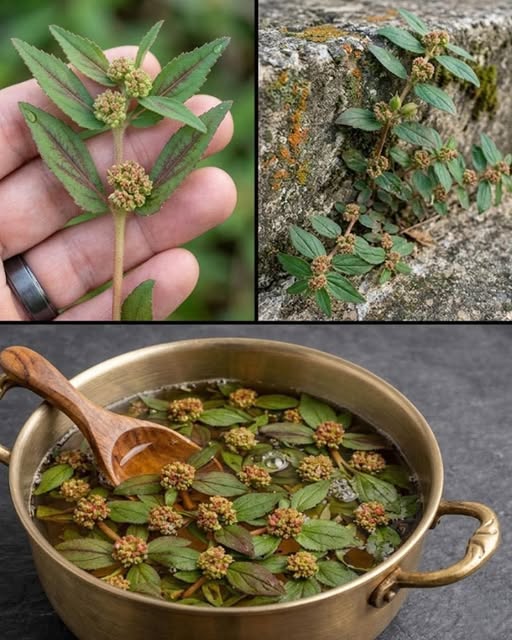
Euphorbia Hirta: 9 Key Health Benefits of This Versatile Plant
Euphorbia hirta, commonly known as “Asthma Weed” or “Pill-bearing Spurge,” is a pantropical weed used for centuries in traditional medicine. Found in gardens, fields, and roadsides throughout the tropics, this humble plant is a powerhouse of phytochemicals, including flavonoids, polyphenols, and tannins.
From respiratory support to digestive health, here are the nine key benefits that make this plant a staple in natural wellness.
1. Respiratory Relief (The “Asthma Weed”)
As its nickname suggests, the most famous use of Euphorbia hirta is for treating respiratory conditions. The plant acts as a natural bronchodilator, helping to relax the bronchial tubes.
-
The Benefit: It is frequently used in traditional teas to alleviate symptoms of asthma, chronic bronchitis, and seasonal allergies by reducing inflammation in the airways.
2. Potent Antibacterial Properties
The plant contains compounds that exhibit strong antibacterial activity against several strains of bacteria.
-
The Benefit: Extract from the leaves has been shown to be effective against pathogens like E. coli and Salmonella, making it a traditional remedy for various internal infections.
3. Support for Digestive Health
In many cultures, Euphorbia hirta is the “go-to” remedy for gastrointestinal distress.
-
The Benefit: It is highly effective in treating diarrhea, dysentery, and intestinal parasites. The plant helps soothe the lining of the digestive tract and regulates bowel movements.
4. Boosts the Immune System
Rich in antioxidants and vitamin C, this plant helps the body fight off oxidative stress.
-
The Benefit: Regular consumption of the leaf extract can strengthen the immune system’s response to viruses and fungal infections, acting as a preventative measure during cold and flu seasons.
5. Skin Healing and Wound Care
When applied topically, the sap or crushed leaves of Euphorbia hirta can work wonders on the skin.
-
The Benefit: Its anti-inflammatory and antimicrobial properties make it excellent for treating minor cuts, burns, rashes, and even warts. It helps accelerate the skin’s natural regeneration process.
6. Natural Diuretic and Kidney Support
The plant acts as a mild diuretic, promoting the production of urine.
-
The Benefit: This helps the body flush out toxins and excess salts, which can assist in reducing blood pressure and preventing the formation of kidney stones.
7. Management of Stress and Anxiety
Traditional healers often prescribe Euphorbia hirta tea for those suffering from restlessness or sleep disorders.
-
The Benefit: It contains mild sedative properties that help calm the nervous system, reducing anxiety levels and promoting a more restful night’s sleep.
8. Anti-Malarial and Anti-Dengue Potential
In several tropical regions, the plant is used as a complementary treatment for fever-based illnesses like Malaria and Dengue.
-
The Benefit: Studies have suggested that the plant extract may help increase platelet counts in patients recovering from Dengue fever, though it should always be used alongside professional medical care.
9. Reduces Inflammation and Pain
The high flavonoid content in the leaves provides a natural analgesic (pain-relieving) effect.
-
The Benefit: It is often used to treat inflammatory pain, such as joint aches, headaches, and toothaches, by inhibiting the body’s pain signaling pathways.
How to Use Euphorbia Hirta Safely
-
Tea: Boil a small handful of cleaned, dried leaves in water for 10 minutes. Strain and drink in moderation.
-
Topical Paste: Crush fresh leaves into a paste and apply directly to skin irritations or wounds.
Important Precautions
-
The Milky Sap: Like many plants in the Euphorbia family, the fresh white sap can be irritating to the eyes or sensitive skin. Always wash your hands after handling the fresh plant.
-
Pregnancy: It is traditionally advised that pregnant women avoid Euphorbia hirta, as it can stimulate uterine contractions.
-
Consult a Professional: While highly beneficial, this plant should never replace prescribed medications for chronic conditions. Always consult with a healthcare provider before introducing potent herbal remedies into your routine.