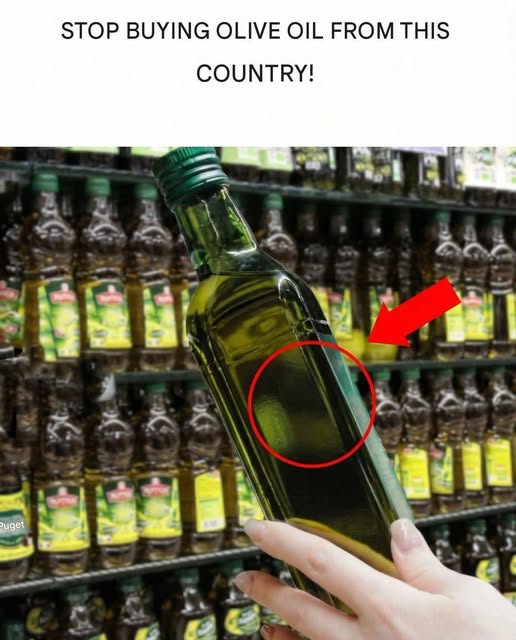
🫒 80% of Olive Oil Is FAKE! Is Yours One of Them?
You’ve probably seen the alarming claim online: “80% of olive oil is fake!”
It certainly sounds frightening. But the reality is more complicated—and much more reassuring. 🫒✨
The widely repeated percentage comes from older studies that have often been misunderstood. A 2010 UC Davis study found that 69% of imported oils labeled “extra virgin” in a limited sample from California retailers failed the study’s extra-virgin quality standards. However, UC Davis now explicitly cautions that the results were from samples purchased in 2010 and should not be used to characterize the quality or authenticity of olive oil sold today. Importantly, the study did not establish that 69% of those oils were adulterated with cheaper vegetable oils.
So, is your olive oil fake?
🔍 “Not Extra Virgin” Doesn’t Necessarily Mean “Fake”
There is an important difference between poor-quality or mislabeled olive oil and oil that has been deliberately diluted with another vegetable oil.
Extra virgin olive oil must meet specific chemical and sensory standards. Oils can fail those standards because of oxidation, poor storage, aging, processing problems, or defects in the olives—not necessarily because someone secretly mixed them with another oil.
Food fraud does exist, however, and olive oil remains a product for which authenticity testing matters. The International Olive Council maintains specific analytical methods for detecting adulteration and verifying olive-oil quality.
🛒 How Can You Choose Better Olive Oil?
When shopping, a few practical habits can help:
🫒 Look for extra virgin olive oil if you’re seeking the highest commercial grade.
📅 Check the harvest date when one is provided. Fresher isn’t automatically better, but olive oil is a perishable food and quality can decline over time.
🌑 Choose protective packaging. Dark glass, tins, or other packaging that limits exposure to light can help protect quality.
🏷️ Look for credible certification. Certification programs that involve chemical and sensory testing can provide additional reassurance.
👃 Pay attention to freshness. High-quality extra virgin olive oil should generally have a fresh, fruity character rather than smelling or tasting stale, rancid, or musty.
❄️ Don’t Fall for the Refrigerator Test
One of the most popular internet “tests” involves putting olive oil in the refrigerator and claiming that genuine oil will solidify.
Unfortunately, this isn’t a reliable authenticity test. UC Davis researchers found that refrigeration did not reliably distinguish olive oil from other oils or determine its quality.
So if your bottle remains liquid in the refrigerator, don’t automatically throw it away!
🌿 What About Color?
A deep green color doesn’t necessarily mean an olive oil is better, and a golden color doesn’t mean it’s fake.
Olive-oil color can vary naturally depending on olive variety, growing conditions, maturity, and processing. Color alone cannot tell you whether an oil is authentic or high quality.
🫒 The Bottom Line
The dramatic “80% of olive oil is fake” headline is misleading.
There have been legitimate concerns about olive-oil quality and fraud, and scientists continue developing better methods to detect adulteration. But the old UC Davis findings have been repeatedly misrepresented as proof that most olive oil on today’s shelves is fake. UC Davis itself says those historic results should not be used that way.
So don’t panic the next time you reach for your bottle.
Instead, buy from reputable producers, look for credible certification, protect the oil from heat and light, and store it properly. 🫒💚
Your olive oil may not need a viral “purity test” at all—it may simply need to be treated like the delicate food it is.