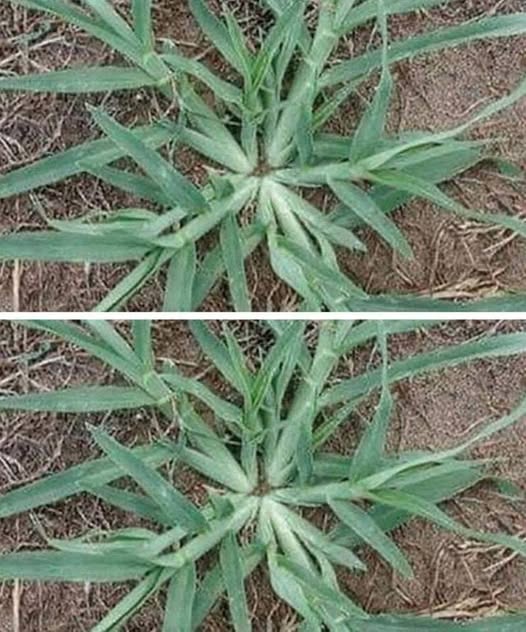
🌿 Never Uproot This Plant If It Appears in Your Garden
You spot an unfamiliar plant growing in a corner of your garden. Your first instinct might be to pull it out immediately—but sometimes, leaving an unexpected plant alone can be the better choice. 🌱
One plant that often gets an unfair reputation is dandelion.
With its bright yellow flowers and fluffy seed heads, dandelions can quickly spread through lawns and garden beds. Many people consider them weeds, but they can also play useful ecological roles.
🌼 Why Dandelions Deserve a Second Look
Dandelions produce flowers that can provide food for a variety of pollinating insects, particularly early in the growing season when fewer flowers may be available.
Their long roots can also help loosen soil, while the plant itself contributes organic matter when it eventually breaks down.
And there’s another reason people have valued dandelions for generations: the plant is edible when correctly identified and prepared.
Young leaves can be used in salads, while the roots and flowers have traditionally been used in foods and beverages.
🐝 Your Garden May Benefit From Some “Weeds”
A perfectly weed-free garden isn’t necessarily the healthiest ecosystem.
Allowing some flowering plants to remain can provide insects with nectar and pollen, while creating additional habitat for small organisms that contribute to a functioning garden environment.
That doesn’t mean every volunteer plant should be allowed to take over.
If a plant is invasive, poisonous, damaging structures, crowding out desirable plants, or spreading aggressively, removal may be appropriate.
🔎 But Don’t Pull an Unknown Plant Just Yet
The biggest lesson is simple:
Identify first. Remove second.
Some plants can look remarkably similar to one another, and certain wild plants can cause skin irritation or be toxic if eaten.
If you don’t know what has appeared in your garden, take a clear photograph and use a reliable plant-identification resource or ask a local horticultural expert before handling or consuming it.
🌱 A Little Wildness Can Be Good
Gardens don’t always need to look perfectly manicured.
A few naturally occurring flowering plants can provide food and shelter for insects and add unexpected biodiversity to an otherwise carefully planned space.
So the next time you see a little yellow flower appearing between the grass, pause before reaching for the shovel. 🌼
It may not be a nuisance at all—it could be a small, useful part of your garden’s ecosystem.
Sometimes, the plant we are quickest to call a “weed” is worth getting to know first. 💚