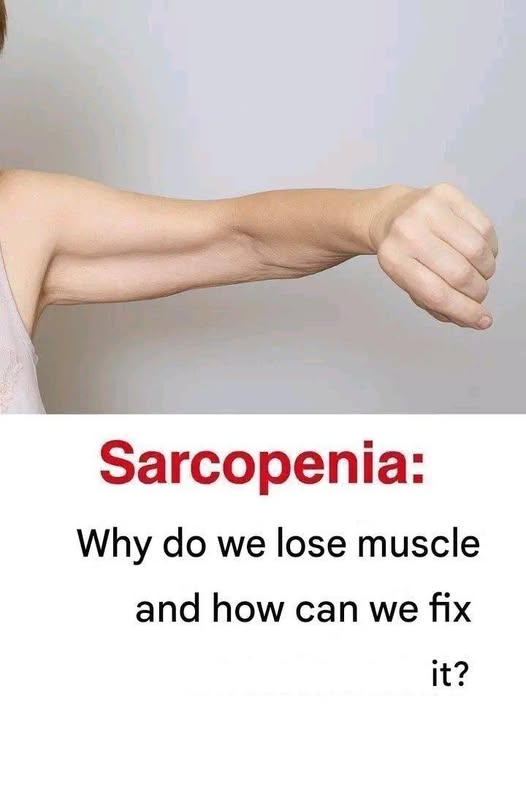
💪 Sarcopenia: Causes of Muscle Loss and Practical Ways to Fight It
Muscle loss is often dismissed as an unavoidable part of getting older. But while some decline in muscle mass naturally occurs with age, significant loss of muscle strength and function can be a medical condition called sarcopenia.
The good news? There are meaningful steps you can take to preserve—and in many cases improve—muscle strength at almost any age. 🌿
🧓 What Is Sarcopenia?
Sarcopenia is the progressive loss of muscle strength, muscle mass, and physical performance.
It becomes more common with advancing age, but it isn’t caused by aging alone. Illness, inactivity, inadequate nutrition, and other factors can accelerate muscle loss.
And strength matters just as much as muscle size.
Reduced muscle strength can make everyday activities such as climbing stairs, carrying groceries, getting out of a chair, or maintaining balance increasingly difficult.
🔎 What Causes Muscle Loss?
Several factors can contribute to sarcopenia.
1. 🛋️ Physical Inactivity
This is one of the biggest contributors.
When muscles aren’t regularly challenged, the body has less reason to maintain them. Long periods of sitting, bed rest, or inactivity can accelerate muscle loss.
2. 🍗 Not Getting Enough Protein
Muscles need amino acids from protein to repair and maintain themselves.
Older adults may sometimes eat less because of reduced appetite, dental problems, difficulty preparing food, or other changes.
A consistently inadequate protein intake can make maintaining muscle more difficult.
3. 🧬 Aging-Related Changes
As we age, hormonal changes and alterations in muscle metabolism can reduce the body’s ability to build and maintain muscle.
That doesn’t mean muscle loss is inevitable—it means muscle maintenance may require more deliberate effort.
4. 🩺 Chronic Illness
Conditions that cause prolonged inflammation, reduced activity, poor nutrition, or changes in metabolism can contribute to muscle loss.
Recovering from a serious illness or hospitalization can be particularly challenging for older adults.
5. ⚖️ Unintentional Weight Loss
Losing weight isn’t always the same as losing body fat.
Rapid or unexplained weight loss can include loss of valuable muscle tissue, particularly when protein intake and resistance exercise are inadequate.
🏋️ The Most Important Solution: Strength Training
If you want to protect your muscles, resistance exercise is one of the most effective tools available.
You don’t necessarily need an expensive gym membership.
Exercises can include:
- 🪑 Chair squats
- 🧱 Wall push-ups
- 🏋️ Resistance-band exercises
- 🦵 Step-ups
- 💪 Light dumbbell exercises
- 🚶 Strength-focused functional movements
The key is gradually challenging your muscles rather than doing the same effortless routine forever.
If you’re new to strength training, recovering from an illness, or have balance problems, consider getting guidance from a healthcare professional or qualified exercise specialist.
🍳 Don’t Forget Protein
Protein-rich foods can help provide the building blocks your muscles need.
Depending on your individual needs, meals might include:
🥚 Eggs
🐟 Fish
🍗 Poultry
🥛 Milk or yogurt
🫘 Beans and lentils
🌱 Tofu and other soy foods
🥜 Nuts and seeds
Rather than concentrating all your protein into one meal, distributing protein throughout the day can be a practical strategy.
However, people with kidney disease or other medical conditions may need individualized protein recommendations, so don’t dramatically increase protein intake without discussing it with your healthcare professional.
☀️ Vitamin D and Overall Nutrition Matter Too
Adequate vitamin D, calcium, and other nutrients contribute to healthy bones and normal muscle function.
But supplements aren’t automatically the answer.
A balanced diet and appropriate medical evaluation are preferable to taking large doses of supplements without knowing whether you actually need them.
🚶 Walking Helps—But Don’t Stop There
Walking is excellent for cardiovascular health, mobility, and maintaining independence.
But walking alone may not provide enough resistance to preserve muscle strength as you age.
A combination of aerobic activity, strength training, balance exercises, and adequate nutrition is generally more useful for maintaining physical function.
🚨 Watch for the Warning Signs
Potential signs of significant muscle loss include:
- Difficulty getting up from a chair
- Trouble climbing stairs
- Increasing difficulty carrying everyday objects
- Frequent falls or poor balance
- Noticeably reduced strength
- Unintentional weight loss
- Increasing dependence on others for routine activities
These changes shouldn’t simply be blamed on age.
A healthcare professional can assess strength, physical performance, nutrition, medications, and underlying medical conditions.
💚 Muscle Can Be Built at Any Age
One of the most encouraging things about sarcopenia is that getting older doesn’t mean you have to surrender your strength.
Regular resistance exercise, sufficient nutrition, adequate protein, good sleep, and treatment of underlying health problems can all help preserve physical function.
The goal isn’t necessarily to become muscular.
It’s to remain strong enough to stand up, walk confidently, carry your belongings, climb stairs, and live independently for as long as possible.
💪 Muscle is something worth protecting—and it’s never too late to start.