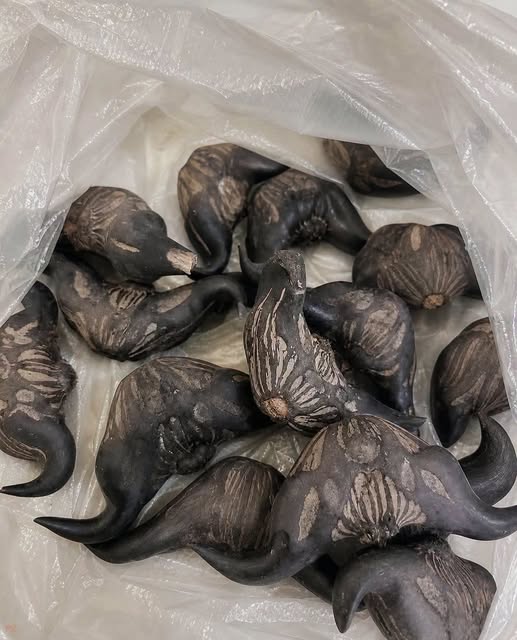
🌿 A Neighbor Gave Me a Bag of These—Does Anyone Know What They Are? And How Are You Supposed to Eat Them?
Have you ever had a neighbor hand you a bag of something freshly picked from their garden and say, “Try these—they’re delicious!” 😍
You smile, accept the bag, and then get home and realize…
“Wait… what exactly am I supposed to do with these?” 😂
That happens more often than you might think, especially when it comes to edible plants that don’t look like the vegetables we’re used to seeing at the supermarket.
🥬 It Might Be a Garden “Weed” That You Can Eat
Many plants that people casually call weeds are actually edible.
Depending on what your neighbor gave you, possibilities can include purslane, dandelion greens, chickweed, lamb’s quarters, wild garlic, or other edible plants. Some can be eaten raw, while others are better cooked. (MSU Extension)
That’s one reason experienced gardeners sometimes look at a patch of “weeds” very differently from everyone else.
What looks like something that needs to be pulled out may actually be dinner. 🌱🍽️
👀 But Don’t Eat an Unknown Plant Yet
There’s one very important rule when it comes to wild or homegrown plants:
Don’t eat something simply because someone says it’s edible.
Some edible plants have poisonous look-alikes, and identifying them correctly can require examining details such as the leaves, stems, flowers, growth pattern, smell, and location.
University extension specialists recommend being completely certain of the plant’s identity before eating it. (MSU Extension)
And remember: “natural” doesn’t automatically mean “safe.”
🌿 How Do You Prepare an Edible Plant?
That depends entirely on the species.
Some common edible greens can be:
🥗 Added raw to salads
🍳 Sautéed with eggs or vegetables
🍲 Added to soups and stews
🥬 Cooked like spinach
🥒 Pickled
🌱 Used as a fresh garnish
For example, common purslane has edible leaves and stems and can be used in salads, cooked greens, pickles, and other dishes. (MSU Extension)
Dandelion greens can also be eaten, while plants such as some wild greens require specific preparation to make them safe. (MSU Extension)
So there isn’t one universal recipe for an unidentified bag of greens.
🧼 Where Were They Picked?
This matters just as much as identifying the plant.
Don’t eat plants collected from areas that may have been exposed to:
🚫 Herbicides or pesticides
🚫 Roadside pollution
🚫 Industrial runoff
🚫 Animal waste
🚫 Other contaminants
Wild plants can absorb or collect contaminants from their environment, so knowing where they came from is essential. (MSU Extension)
🌱 The Best Part: Ask Your Neighbor!
If the person who gave them to you grows or regularly harvests the plant, ask them:
“What is this called?”
Then ask:
- Which part do you eat?
- Do you eat it raw or cooked?
- How do you normally prepare it?
- Where did you pick it?
- Has it been treated with anything?
- Is there a poisonous plant that looks similar?
If possible, compare their answer with a reputable plant-identification resource or an experienced local forager.
🍽️ From “What Is This?” to “Dinner!”
A mysterious bag of greens can turn into a delicious meal—but correct identification has to come first.
Many edible plants really are hiding in plain sight, and learning to recognize them can open up a whole new world of gardening and cooking. 🌿✨
So before you toss that strange-looking bag into the trash, take a closer look—but before you take a bite, make absolutely sure you know what it is.
If you share a clear photo of the plant (leaves, stems, flowers/seed heads, and the whole plant), I can help narrow down what it might be—but don’t eat it until its identity is confirmed.