Cracked Heel Care: What Actually Helps Dry, Painful Heels
Cracked heels can start as simple dryness, but when the skin becomes thick, rough, and deeply split, walking can become uncomfortable and the cracks may even bleed.
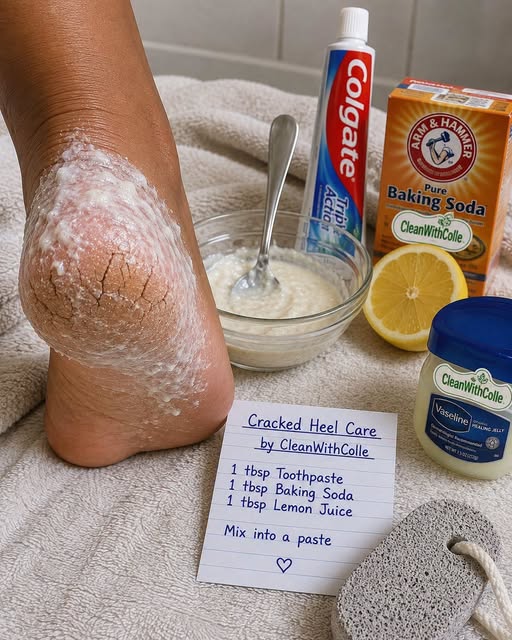
You may have seen homemade remedies recommending a mixture of toothpaste, baking soda, and lemon juice for cracked heels. Although these ingredients are common household products, that combination is not a good choice for damaged or deeply cracked skin. Toothpaste and lemon juice can be irritating, while baking soda can further disrupt the skin’s natural barrier.
Fortunately, caring for cracked heels does not have to be complicated.
A gentler routine for dry, cracked heels
1. Soak briefly
Wash your feet with warm—not very hot—water. A short soak can soften hardened skin, but prolonged soaking may actually make dryness worse.
2. Gently remove excess hard skin
After washing, use a foot file or pumice stone gently on thickened areas. Avoid aggressive scraping, especially if the skin is split, bleeding, painful, or inflamed.
3. Apply a thick moisturizer
Look for a foot cream containing ingredients such as urea, lactic acid, or salicylic acid for thick, dry skin. For very dry heels, a plain petroleum-based ointment can also help reduce water loss.
4. Seal in the moisture overnight
Apply a generous layer of moisturizer or petroleum jelly before bed, then put on clean cotton socks. Keeping the heels moisturized consistently is usually more useful than trying a harsh one-time treatment.
5. Give your heels some protection
Open-backed shoes and sandals can contribute to heel cracking because they allow the heel to spread and lose moisture. Well-fitting, supportive footwear can help while the skin heals.
What about the toothpaste, baking soda, and lemon mixture?
It may look appealing in a social-media remedy, but “natural” or homemade does not automatically mean gentle. Lemon juice is acidic, baking soda is alkaline, and toothpaste contains ingredients designed for teeth rather than compromised skin. On already cracked heels, the mixture can cause burning, irritation, or worsening dryness.
There is also no need to try to “scrub away” every bit of thick skin. The goal is to restore the skin barrier gradually, not strip the skin.
When cracked heels need medical attention
See a healthcare professional if the cracks are deep, repeatedly bleeding, very painful, becoming red or swollen, producing drainage, or failing to improve with regular moisturizing. People with diabetes, poor circulation, or reduced sensation in their feet should be especially cautious about treating cracks themselves.
The simplest approach is often the best: gentle cleansing, gradual removal of excess thick skin, regular moisturization, and overnight protection. Your heels do not need a harsh kitchen remedy—they need time and consistent barrier care.