If You Have Lines on Your Nails, Does It Mean You Have Cancer?
A sudden change in your nails can be unsettling—especially when you see a new line, ridge, or discoloration and immediately wonder whether it could be a sign of something serious.
But lines on the nails do not automatically mean you have cancer.
Nail changes can happen for many ordinary reasons, including aging, minor injuries, nutritional deficiencies, skin conditions, infections, or temporary interruptions in nail growth.
What different nail lines can mean
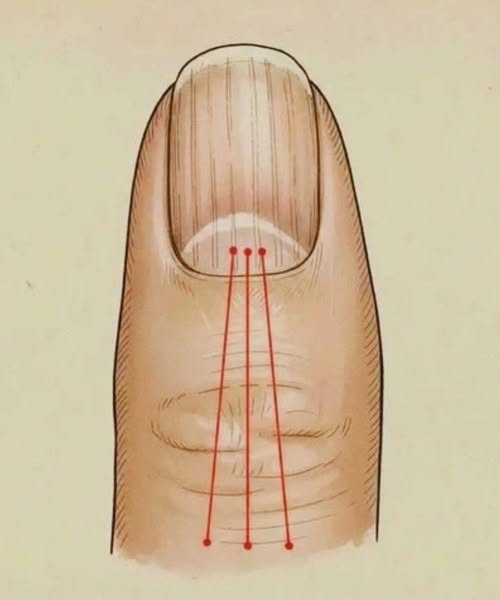
Vertical ridges running from the cuticle toward the tip are extremely common and often become more noticeable with age. By themselves, they usually aren’t a reason for alarm.
Horizontal grooves or lines, sometimes called Beau’s lines, can occur when nail growth is temporarily interrupted. They may follow an illness, significant physical stress, injury, or certain medical treatments.
Dark or brown lines deserve a little more attention. A dark streak under one nail can have harmless causes, such as trauma or increased pigmentation. However, a new or changing dark band, particularly on one nail, should be examined by a healthcare professional because, in uncommon cases, it can be associated with melanoma of the nail.
When should you get your nails checked?
Consider seeing a doctor or dermatologist if you notice:
- A new dark streak that doesn’t go away
- A stripe that becomes wider or changes color
- Pigment spreading onto the surrounding skin
- A nail becoming persistently distorted or separated from the nail bed
- Repeated unexplained changes affecting several nails
- Pain, swelling, bleeding, or a growth around the nail
Don’t diagnose yourself from your nails
A photograph or social-media checklist cannot determine whether a nail change is cancer. Most nail lines are not cancerous. What matters is the type of change, how quickly it appeared, whether it is changing, and your overall health.
So if you notice lines on your nails, don’t panic—but don’t ignore a new, unusual, or changing nail mark either. When in doubt, having a dermatologist take a look is the safest way to get an answer.