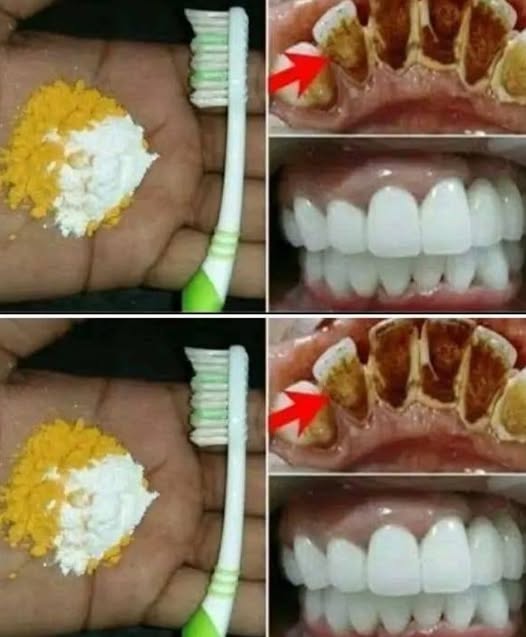
✨ Home Teeth Whitening: Safe Facts and Proven Natural Methods 🪥
A bright smile can make you feel more confident, but many popular “natural” teeth-whitening tricks found online can actually damage your teeth. The good news is that you can improve the appearance of your smile at home while protecting your enamel.
🦷 Start With the Basics
One of the simplest ways to keep teeth looking brighter is consistent oral hygiene.
Brush twice a day for about two minutes using a fluoride toothpaste and a soft-bristled toothbrush. Floss or clean between your teeth daily to remove plaque and food particles that brushing alone may miss.
A clean, healthy smile often looks noticeably brighter even without aggressive whitening.
🍎 Can Natural Foods Whiten Teeth?
Some foods are sometimes advertised as natural whiteners, but there is limited evidence that ingredients such as strawberries, lemon juice, or apple cider vinegar can safely bleach teeth.
In fact, acidic ingredients can weaken or erode tooth enamel when used repeatedly.
🚫 Avoid rubbing lemon, vinegar, or other acidic substances directly onto your teeth. Enamel does not grow back once it is permanently lost.
🥥 What About Oil Pulling?
Oil pulling is a traditional practice in which people swish edible oil around the mouth. While it may be part of an oral-care routine, it should not be considered a proven teeth-whitening treatment or a replacement for brushing with fluoride toothpaste and cleaning between the teeth.
🪥 Whitening Toothpaste
Whitening toothpastes can help remove certain surface stains caused by foods and drinks. They generally won’t dramatically change the natural color of your teeth, but they can make teeth appear cleaner and brighter.
Look for products from reputable manufacturers and use them according to their instructions.
☕ Watch Common Stain-Causing Habits
Coffee, tea, tobacco, and certain strongly colored foods can contribute to surface staining.
You don’t necessarily have to eliminate your favorite foods and drinks. Instead, good oral hygiene and regular dental care can help minimize their effects.
⚠️ Be Careful With DIY Whitening
Avoid harsh scrubbing or frequently using abrasive substances such as baking soda mixtures, charcoal powders, or undiluted acids. These approaches may remove surface material temporarily while increasing the risk of enamel wear or sensitivity.
If your teeth are sensitive, painful, chipped, or have visible cavities, speak with a dentist before attempting whitening.
💎 The Safest Path to a Brighter Smile
For noticeable whitening, dentist-recommended or professionally supervised whitening treatments are generally more predictable and safer than homemade chemical recipes.
And remember: healthy teeth don’t have to be perfectly white. Natural teeth vary in shade, and protecting your enamel is far more important than chasing an ultra-bright smile.
✨ A gentle routine, fluoride toothpaste, daily interdental cleaning, and regular dental checkups are the foundation of a beautiful, healthy smile.