👁️ What to Do If You Start Seeing Eye Floaters: An Eye Doctor’s Helpful Guide
Have you ever noticed tiny dark spots, threads, rings, or cobweb-like shapes drifting across your vision? These are commonly called eye floaters, and they can be surprisingly distracting—especially when they appear suddenly.
The good news is that many floaters are harmless. However, a sudden increase in floaters can sometimes signal a serious problem inside the eye, so knowing when to seek medical attention is important.
👀 What Exactly Are Eye Floaters?
Floaters are usually caused by tiny structures or clumps within the eye’s vitreous—the clear, gel-like substance that fills much of the eyeball.
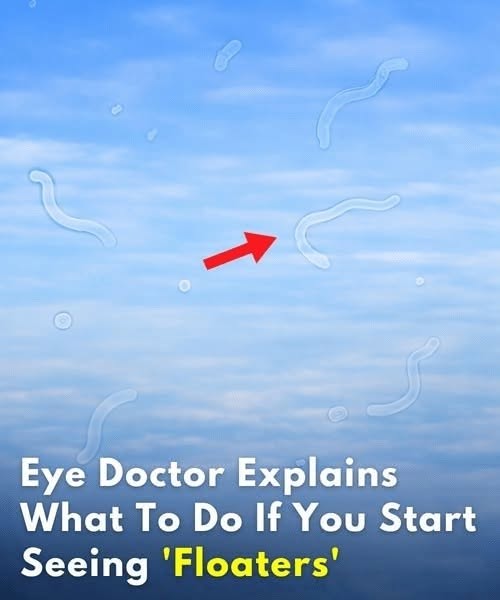
They may appear as:
- Small black or gray dots
- Squiggly lines or threads
- Cobweb-like shapes
- Rings or translucent spots
They often seem to move when you move your eyes and may become especially noticeable when looking at a bright, plain background such as a blue sky or white wall.
🌿 When Are Floaters Usually Harmless?
Floaters become more common with age and can occur as the vitreous naturally changes. Many people eventually notice them, and over time the brain may become less aware of them.
If you’ve had the same floaters for a long time and your vision otherwise remains normal, they may not require treatment.
Still, an eye examination is the safest way to determine the cause—particularly if you’ve never had floaters evaluated before.
🚨 When Should You Get Urgent Help?
Don’t ignore new or suddenly increasing floaters.
Seek urgent eye care if floaters appear along with:
- ⚡ Flashes of light
- 🌑 A dark curtain or shadow moving across your vision
- 👁️ Sudden loss or significant reduction of vision
- A sudden shower of numerous new floaters
- New symptoms after an eye injury or surgery
These symptoms can occur with a retinal tear or retinal detachment, conditions that can threaten vision if treatment is delayed.
🩺 What Will an Eye Doctor Do?
An eye-care professional may perform a dilated eye examination to look carefully at the retina and the inside of the eye.
If a retinal tear is found, treatment may sometimes involve procedures such as laser treatment or cryotherapy. A retinal detachment may require more extensive treatment.
If the floaters are harmless, treatment may not be necessary.
💡 Can You Prevent Floaters?
There isn’t a reliable home remedy that can make ordinary age-related floaters disappear. Be skeptical of supplements, special exercises, or “detox” treatments claiming to dissolve floaters.
The most important step is recognizing new warning signs and having them evaluated promptly.
❤️ Don’t Panic—But Don’t Ignore Sudden Changes
Seeing an occasional floater doesn’t automatically mean something is wrong. But a sudden change in your vision deserves attention.
If new floaters appear, especially together with flashes, a curtain-like shadow, or vision loss, contact an eye doctor or seek emergency eye care the same day.
Your eyesight is precious. When it comes to sudden visual changes, it’s always better to have a professional check and discover that everything is fine than to wait and risk permanent vision loss. 👁️✨