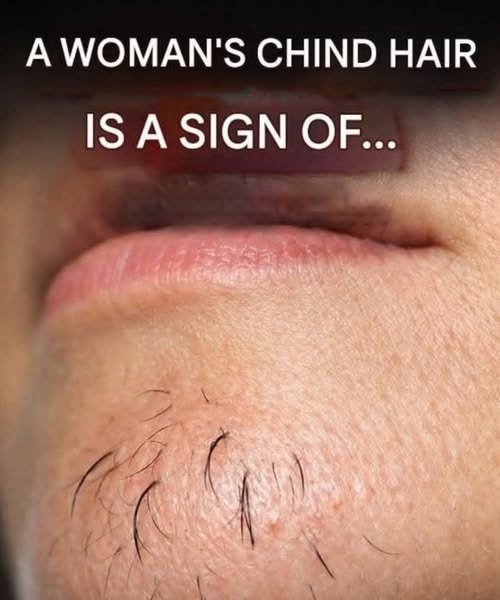
A woman’s chin hair is a sign of
Seeing a few stray chin hairs is actually very common for women, but the “why” usually depends on your stage of life and your overall health.
In most cases, it’s a reflection of your hormonal balance. Here’s a breakdown of what those chin hairs might be signaling:
1. Normal Hormonal Shifts
The most common culprit is simply a change in the ratio of estrogen to androgens (male-pattern hormones like testosterone). All women produce androgens, but as we age—particularly during perimenopause and menopause—estrogen levels drop. This allows androgens to have a greater influence on hair follicles, turning fine “peach fuzz” into coarser, darker terminal hairs.
2. Polycystic Ovary Syndrome (PCOS)
If the hair growth (medically known as hirsutism) is sudden, thick, and accompanied by other symptoms, it might be a sign of PCOS. This is a common condition where the ovaries produce excess androgens.
-
Other signs to look for: Irregular periods, adult acne, or thinning hair on the head.
3. Genetics
Sometimes, it’s just in the blueprint. If your mother or grandmother had chin hair, you are much more likely to have it too. Some ethnic backgrounds also naturally have more active hair follicles than others.
4. Other Underlying Conditions
In rarer cases, chin hair can be a sign of:
-
Cushing’s Syndrome: Excess production of cortisol (the stress hormone).
-
Adrenal issues: The adrenal glands also produce androgens, and any imbalance there can trigger hair growth.
-
Medication side effects: Certain drugs, like steroids or some birth control, can alter your hormone profile.
When to See a Doctor
While a few hairs are usually just a cosmetic annoyance, you should check in with a healthcare provider if:
-
The growth is sudden and rapid.
-
The hair is spreading to your chest, stomach, or upper back.
-
You are experiencing significant changes in your voice or menstrual cycle.