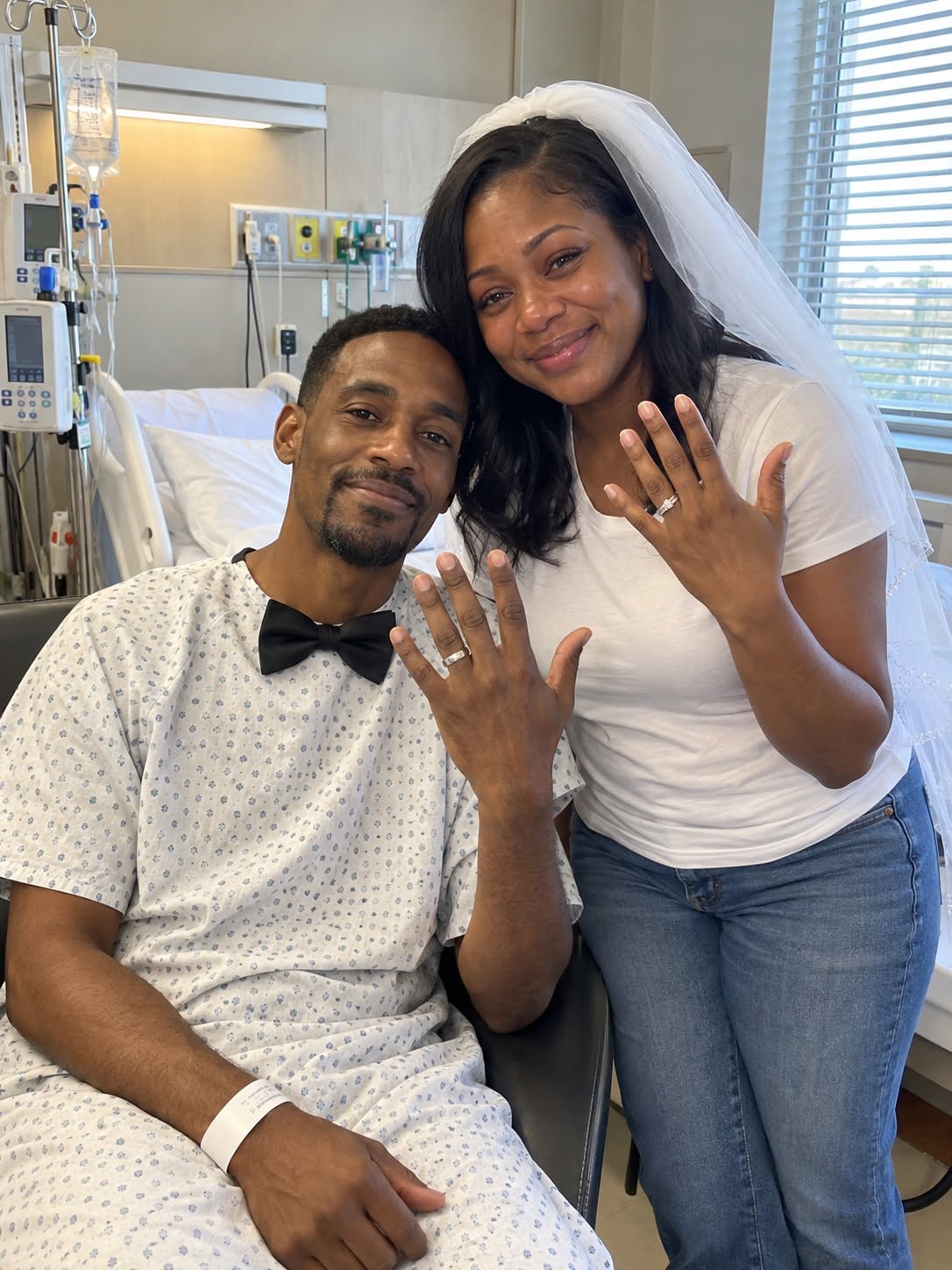
My fingers were trembling so violently I could barely pull the folder out from beneath the vinyl of the mattress. Every second the bathroom tap ran felt like a ticking clock.
I opened the green tab. Inside sat three distinct documents, neat and pristine, direct contrast to the chaotic heartbreak of the hospital room around us.
The first document was dated September 9th—exactly four days after I had collapsed in tears in that same corridor, sobbing to his oncologist, “I don’t care if I lose every penny we saved for our first house. Just keep him out of pain. I’ll sell the car, I’ll sell my mother’s ring, I’ll work three jobs—just don’t let him suffer.”
I had thought no one was listening. But the doctor had heard. And he had told my husband.
I stared at the paper. It wasn’t a secret medical cure or a miraculous diagnosis. It was a formal, legally binding Deed of Irrevocable Trust and Power of Attorney.
The ninth of September was the day he had signed over every single asset he owned—his share of his family’s land, his life insurance payout, and his retirement account—directly into my name. But attached to it was a specific clause drafted with his solicitor and signed off by his doctor:
“The beneficiary (my wife) is to be completely shielded from all remaining medical expenses, outstanding debts, and hospital billing. A dedicated third-party escrow fund has been established to absorb all medical liabilities upon my passing, guaranteeing that her financial future remains entirely untouched.”
He hadn’t been lying about dying. He was lying about how much it was going to cost us. He knew I would have emptied my life savings and put myself in debt for the rest of my life trying to buy him a few extra weeks. So behind my back, with the doctor acting as his witness, he had quietly arranged to take every financial hit himself before he passed, making sure I wouldn’t be left broke and ruined on top of being widowed.
My eyes swept to the second document.
It was a printed medical agreement, co-signed by his oncologist and a specialist at a hospice care network. Attached to it was a daily log of handwritten notes in his familiar, sharp handwriting.
He had deliberately refused expensive, agonizing experimental treatments that would have left him bedridden, unconscious, and hooked up to machines for his final weeks—treatments that would have drained our joint savings completely while giving him no real quality of life. The doctor had agreed to help him manage his pain strictly through palliative care, allowing him to stay lucid and coherent for one specific reason: so he could be awake, aware, and present to marry me.
He had chosen quality over quantity. He had sacrificed months of semi-conscious, painful life on life support just to have a few crystal-clear weeks as my husband.
And then I saw the third item in the folder.
It wasn’t a legal document. It was a thick, cream-colored envelope with my name written across the front in his shaky script. On the back, in bold letters, he had written:
“To be opened on the day you buy our house.”
Inside the envelope was a folded piece of paper and a small, heavy velvet box. I opened the box with tears streaming down my face. Inside sat a brass house key—the old-fashioned kind—attached to a wooden keychain he had carved himself when we were kids. It was the key to the imaginary house we used to plan when we were twelve years old sitting on the curb eating biscuits.
Unfolding the letter, I read his handwriting:
“My darling girl,
If you’re reading this, either I was terrible at hiding things under mattresses, or a very sweet nurse gave me away. Do not be angry with her, and please do not be angry with me.
When they told us I didn’t have long, my first thought wasn’t fear of leaving. It was fear of leaving you with nothing but medical bills, empty accounts, and a ghost. I couldn’t give you the white dress, the big church, or forty years in a home with a garden. But I can give you a clean start.
I made Dr. Evans promise to keep me sharp enough so I could look you in the eye when I said ‘I do.’ I didn’t want my last memory with you to be through a haze of heavy sedatives. I wanted to see your face in that party-shop veil. And I did. It was the best day of my life.
Take the money. Buy the house with the big kitchen we always talked about. Put the largest biscuit on your tray every single morning. Live a long, full, happy life, and don’t you dare spend a single second feeling guilty for surviving.
I carried your bag when we were eight. Let me carry this last weight for you now.
All my love, forever, Your Husband.”
The bathroom door clicked unlocked.
I shoved the green folder back under the mattress, wiped my face frantically with the sleeve of my white shirt, and turned around just as he wheeled his drip stand out into the room.
He looked at me, his eyes tired but soft, the ridiculous black bow tie still crooked against his hospital pyjamas.
“You okay, Mrs.?” he asked gently, noticing my red eyes.
I walked across the room, wrapped my arms carefully around his shoulders so as not to disturb the IV, and held onto my husband with everything I had left.
“Never better,” I whispered into his neck. “Just holding onto my groom.”