Scratches on Glasses: Don’t Waste Money on Viral DIY Hacks
A scratched pair of glasses can be incredibly frustrating—especially when the scratches appear right in the middle of your vision. That’s why viral posts claiming that a little toothpaste, baking soda, or another household ingredient can make scratches “disappear instantly” are so tempting.
But there’s an important catch: most scratches on modern eyeglass lenses cannot simply be removed at home. Abrasive DIY remedies can actually make the lenses worse and may damage protective coatings.
Why Do Glasses Get Scratched?
Most modern prescription lenses are made from plastic materials rather than traditional glass. Although these materials are lightweight and safer, they can still develop scratches from dust, dirt, improper cleaning, or being placed face-down on a surface.
Even wiping a dusty lens with a dry shirt or tissue can drag tiny particles across the surface and create fine scratches.
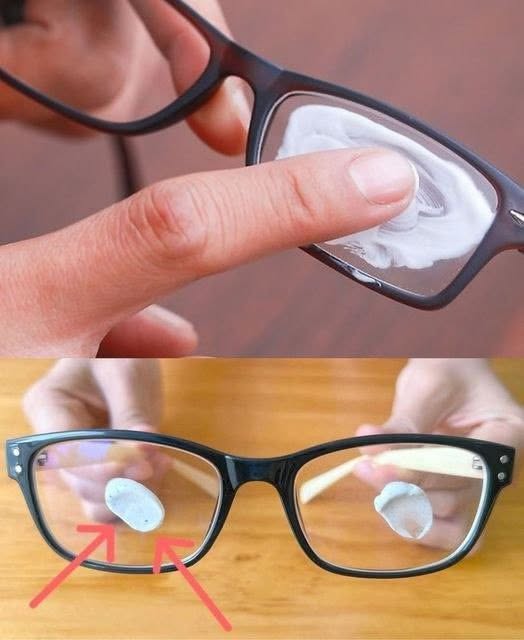
Can Toothpaste Really Remove Scratches?
No—not safely.
Toothpaste contains abrasive ingredients. Rubbing it onto a lens may make a scratch look temporarily less noticeable under certain conditions, but it can also remove or damage coatings such as anti-reflective, UV-protective, or tinted layers.
The same warning applies to many other viral hacks, including:
- Baking soda
- Metal polish
- Car wax
- Furniture polish
- Abrasive cleaning products
- Glass-etching products
These methods can create haze, additional fine scratches, or coating damage.
What Should You Do Instead?
If your glasses are dirty rather than scratched, rinse them gently and clean them with a suitable lens cleaner and a clean microfiber cloth. Avoid dry rubbing when dust or grit is present.
If the scratch remains after cleaning, don’t try to grind or polish the lens yourself.
For a noticeable scratch—especially one directly in your line of sight—the safest practical solution is to have an optician inspect the lenses. In many cases, replacing the damaged lens is preferable to attempting to polish it because changing the lens surface can affect its optical performance.
How to Prevent Future Scratches
A few simple habits can make your lenses last much longer:
- Store glasses in a protective case when you’re not wearing them.
- Never place the lenses face-down on a table or countertop.
- Rinse away dust and grit before wiping.
- Use a clean microfiber cloth rather than clothing, paper towels, or tissues.
- Avoid household cleaners unless they are specifically approved for your lenses.
- Have damaged lenses checked by an optician instead of experimenting with abrasive home remedies.
The Bottom Line
That viral “instant scratch remover” may sound like a money-saving trick, but there is no magic household ingredient that safely restores a scratched modern eyeglass lens. Toothpaste and baking soda can damage lens coatings and potentially leave you with a cloudier, more damaged pair of glasses.
So before you reach for the toothpaste, think twice. A professional lens inspection—or replacement when necessary—is a much safer investment than turning a small scratch into a ruined lens.
If a scratch is interfering with your vision, particularly while driving or reading, have your lenses checked by an eye-care professional.