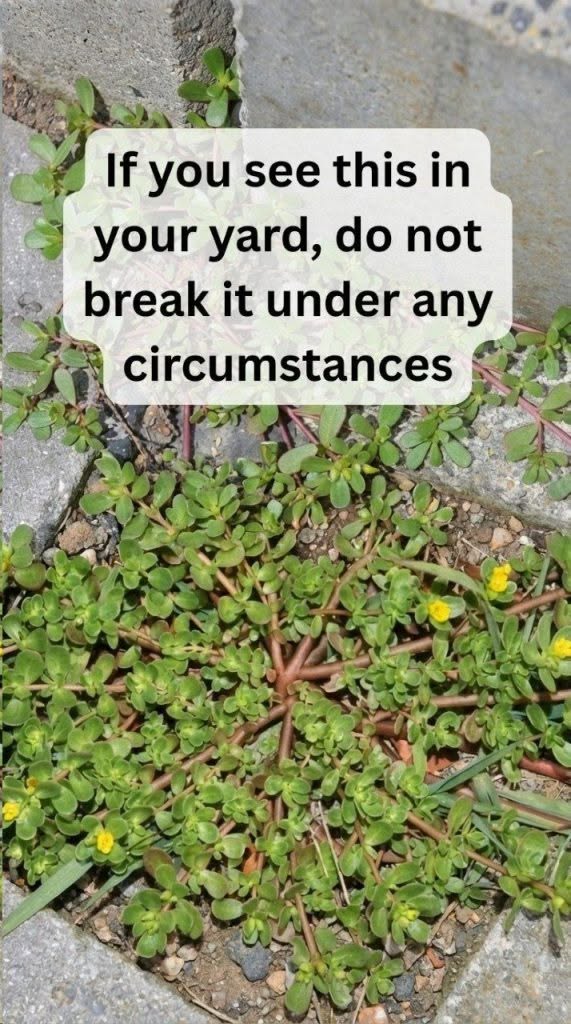
8 Reasons to Leave Purslane Growing — The “Weed” That’s Actually a Superfood!
For years, many gardeners have pulled purslane from their gardens, treating it like an unwanted weed. But this small, fleshy plant—scientifically known as Portulaca oleracea—is actually an edible leafy vegetable with an impressive nutritional profile. It has traditionally been eaten in many parts of the world and contains omega-3 fatty acids, antioxidants, vitamins, and minerals.
Here are 8 reasons you may want to think twice before removing it.
1. It’s Packed With Omega-3 Fatty Acids
Purslane is unusual among leafy vegetables because it provides a notable amount of plant-based omega-3, particularly alpha-linolenic acid (ALA). Research has identified purslane as one of the richer green-plant sources of this fatty acid.
2. It Contains Antioxidants
Purslane provides vitamin C, vitamin E, beta-carotene and other antioxidant compounds. These nutrients help protect cells from oxidative damage and contribute to overall nutritional quality.
3. It Provides Important Minerals
This humble plant contains minerals including potassium, magnesium, calcium and iron. One research review reported particularly notable amounts of potassium and magnesium per 100 grams of fresh purslane.
4. It’s Easy to Grow
Purslane is remarkably hardy. It can tolerate hot, dry conditions and poorer soils better than many garden vegetables. Its succulent leaves help it retain water, making it a low-maintenance plant in suitable climates.
5. You Can Eat More Than Just the Leaves
Young leaves and tender stems can be eaten raw or cooked. Purslane can add a slightly sour, salty flavor to salads, soups, sauces and other dishes. Even its flowers and seeds are edible.
6. It Can Be a Budget-Friendly Green
Because purslane often grows naturally, you may already have a source of nutritious greens growing in your yard or garden. Instead of automatically throwing it away, you can identify it correctly and consider using clean, pesticide-free plants as a vegetable.
7. It Adds Variety to Your Diet
Eating a variety of vegetables is an easy way to obtain different nutrients and plant compounds. Purslane can be used alongside familiar greens such as spinach, lettuce and herbs, giving meals a different texture and mildly tangy flavor.
8. It May Deserve a Place in Your Garden
Purslane isn’t necessarily something you need to eradicate. If it isn’t competing with your crops, allowing a small controlled patch to grow can provide an edible green with very little effort. However, it spreads efficiently and can become difficult to control, so gardeners may want to keep it contained.
A Few Important Safety Notes
“Superfood” doesn’t mean unlimited consumption. Purslane contains oxalates, and the amount can be significant. People who are prone to kidney stones or who have kidney problems should be especially cautious and discuss dietary intake with a healthcare professional.
Also, never eat a wild plant unless you are completely confident about its identification and know that it has not been exposed to pesticides, herbicides, contaminated soil, or animal waste.
Final Thoughts
The next time you spot purslane spreading across your garden, don’t be so quick to call it a useless weed. This hardy little plant has a long history as a food and offers omega-3 fatty acids, antioxidants and several important minerals.
Sometimes, the “weed” growing under your feet may be one of the most interesting edible plants in your garden.