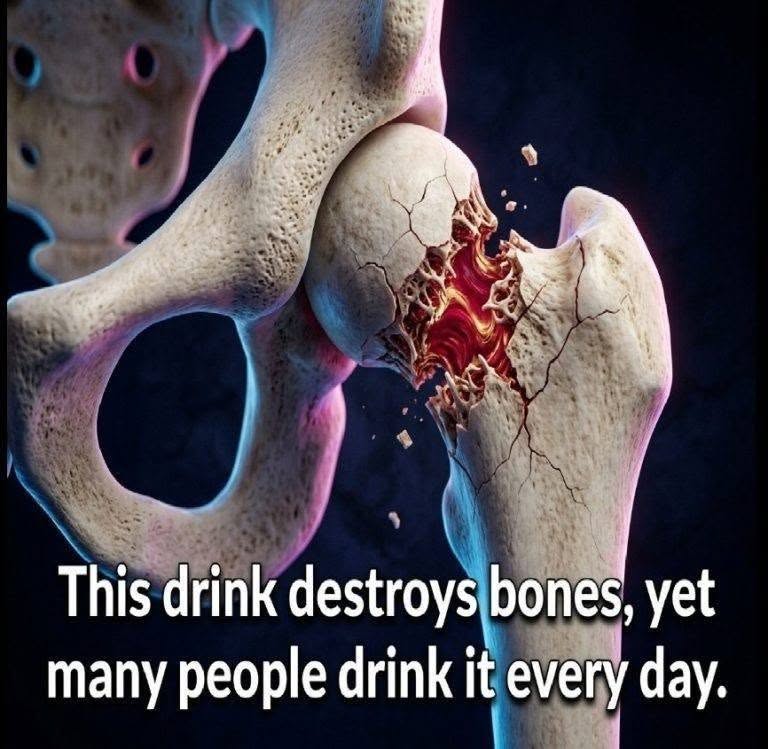
The Five Drinks That May Be Most Harmful to Your Bones
Your bones need calcium, vitamin D, protein and regular weight-bearing exercise to stay strong. But some drinks, especially when consumed frequently or in large amounts, may work against good bone health.
Here are five drinks worth limiting if you want to protect your bones:
1. Cola and Dark Soft Drinks 🥤
Cola is one of the drinks most often linked with lower bone mineral density, particularly in women. Research suggests the connection may involve caffeine, phosphoric acid and, importantly, the fact that soda can replace calcium-rich drinks such as milk.
2. Sugary Soft Drinks
Regular sodas contain large amounts of added sugar and provide little nutritional value. Research has found an association between high consumption of sugar-sweetened beverages and lower bone mineral density.
Drinking them occasionally is different from making them a daily habit, but frequent consumption is best reduced.
3. Energy Drinks ⚡
Many energy drinks contain substantial amounts of caffeine and added sugar. Excessive caffeine intake can modestly increase calcium loss, particularly when a person’s calcium intake is already low.
If you regularly rely on energy drinks, replacing some of them with water or a calcium-rich beverage can be a better choice.
4. Excessive Alcohol 🍷
Heavy alcohol consumption can interfere with calcium absorption and is a recognized risk factor for osteoporosis and fractures.
The concern is mainly with excessive or chronic drinking, not that every alcoholic drink immediately damages your bones.
5. Very High-Caffeine Coffee or Tea ☕
Coffee and tea are not automatically bad for your bones. However, very high caffeine intake can modestly reduce calcium absorption or increase calcium excretion. This effect appears more concerning when someone doesn’t get enough calcium from their diet.
So you don’t necessarily need to give up your morning coffee—just avoid excessive amounts and make sure you’re getting enough calcium.
What Should You Drink Instead?
For everyday bone health, choose water, milk or calcium-fortified alternatives more often. Make sure your diet provides adequate calcium and vitamin D, and stay physically active with activities such as walking and strength training.
The Bottom Line
You don’t need to fear every sip of soda, coffee or tea. The bigger concern is frequent, high consumption, especially when these drinks replace nutritious foods and beverages.
And one important clarification: plain sparkling water is not the same as cola or sugary soda. There is no good evidence that carbonation itself “leaches calcium” from your bones.
If you have osteoporosis or a high risk of fractures, discuss your diet and calcium/vitamin D needs with your healthcare professional.