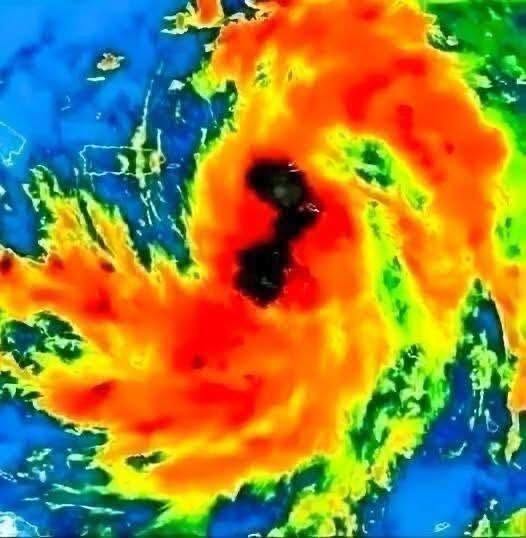
BREAKING NEWS: A Major Storm Is Forming — Here’s What You Need to Know
Weather conditions can change quickly when a developing storm system begins to strengthen. But headlines such as “a major storm is forming” can sometimes sound more dramatic than the actual forecast.
As of August 12, 2026, several regions are experiencing active severe-weather situations. For example, forecasters are monitoring a developing tropical system near Hawaii, while parts of the central United States are facing additional severe-thunderstorm threats. (Kauai Now)
The important question isn’t simply whether a storm is forming.
It is where it is going, how quickly it is strengthening, and what hazards it may bring.
What makes a developing storm dangerous?
A storm can bring several different hazards, including:
- 🌧️ Extremely heavy rainfall
- 💨 Damaging wind gusts
- ⚡ Frequent lightning
- 🧊 Hail
- 🌊 Flash flooding
- 🌪️ In some circumstances, tornadoes
- 🏔️ Landslides in vulnerable mountainous areas
A storm does not have to become a hurricane or cyclone to cause serious damage. Powerful thunderstorms can produce destructive winds and intense rainfall over a relatively small area.
Don’t rely on the headline alone
One of the biggest mistakes people make during severe weather is assuming that a dramatic headline means their particular location is in immediate danger.
Storm forecasts are highly location-dependent.
A system hundreds of kilometers away may have little effect on you, while a smaller storm developing nearby could produce dangerous conditions within minutes.
Official weather warnings are therefore much more useful than social-media posts or sensational headlines.
If severe weather is approaching
There are several simple precautions worth taking before conditions deteriorate:
Bring loose outdoor objects inside.
Garden furniture, tools, signs, lightweight decorations and other objects can become dangerous when winds increase.
Charge your phone.
A fully charged phone can be extremely useful if electricity or internet service is interrupted.
Stay indoors during lightning.
Avoid open fields, isolated trees and unnecessary outdoor travel.
Avoid flooded roads.
Even shallow-looking water can conceal damaged roads, open drains or rapidly moving currents.
Keep away from windows during strong winds.
Move toward an interior room or another protected part of the building if conditions become severe.
Heavy rain can become a separate danger
One of the most overlooked risks during major storms is flooding.
Rain doesn’t need to continue for many hours before problems develop. If rainfall is intense enough, drainage systems can become overwhelmed quickly.
People living near streams, low-lying roads, drainage channels or areas that have flooded previously should pay particularly close attention to official warnings.
Pakistan’s disaster-management authorities have repeatedly warned that severe rainfall and thunderstorms can produce flash flooding, damaging winds, lightning and other secondary hazards. (NDMA)
The storm may not be the same everywhere
A developing weather system can affect different communities in completely different ways.
One area may receive heavy rain.
Another may experience damaging winds.
A nearby location may see only ordinary showers.
That is why the exact location matters more than the phrase “major storm.”
If you’re seeing this headline because a storm is reportedly approaching your area, check the latest warning from your national or regional meteorological service before making travel or safety decisions.
Stay informed, stay indoors when authorities advise it, and don’t underestimate rapidly changing weather.
This article provides general storm-safety information. For a specific location, the official local weather warning should take priority over social-media reports and headlines.