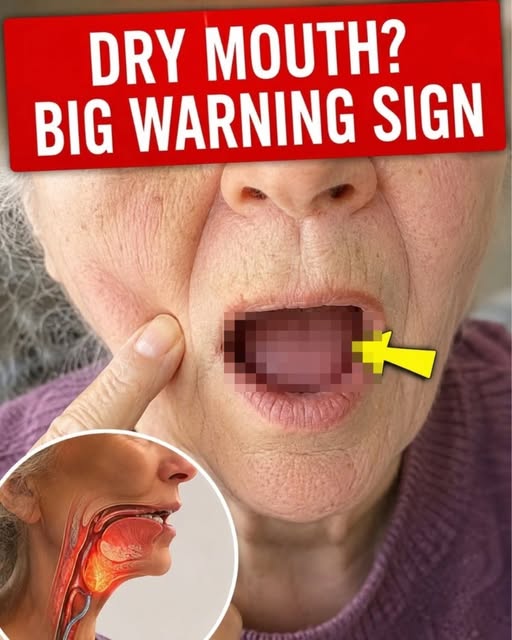
💧 Dry Mouth Is Not Aging — It May Be Your Saliva Production Changing
Waking up with a dry mouth or frequently reaching for water can be easy to dismiss as “just getting older.”
But persistent dry mouth—also called xerostomia—isn’t considered a normal or inevitable part of aging. In many cases, it happens because the salivary glands aren’t producing enough saliva or because something is changing the way saliva is produced or used. 🦷
💧 Why Does Saliva Matter So Much?
Saliva does much more than keep your mouth comfortable.
It helps:
- 🦷 Protect teeth from decay
- 🥣 Make chewing and swallowing easier
- 👅 Support taste
- 🛡️ Protect the tissues inside your mouth
- ⚖️ Help neutralize acids produced by bacteria
When saliva production decreases, these protective functions can be reduced.
💊 Medications Are a Common Cause
One of the most common reasons for persistent dry mouth is medication.
Hundreds of medicines can contribute to dry mouth, including some medications used for allergies, depression, blood pressure, pain, and other conditions.
If your mouth suddenly became much drier after starting or changing a medication, talk with your doctor or pharmacist. Don’t stop a prescribed medication on your own.
🩺 Other Possible Causes
Dry mouth can also occur with:
- Dehydration
- Mouth breathing
- Smoking or tobacco use
- Certain medical conditions
- Radiation treatment involving the head or neck
- Problems affecting the salivary glands
- Anxiety or stress
- Some autoimmune disorders
Sometimes more than one factor is involved.
🦷 Why You Shouldn’t Ignore It
Reduced saliva can increase the risk of cavities, gum problems, mouth infections, bad breath, and difficulty eating or swallowing.
That’s why persistent dry mouth deserves attention rather than simply being accepted as part of growing older.
🌿 What Can You Do at Home?
If you’re experiencing mild dry mouth, several simple measures may help:
💧 Sip water regularly.
🍬 Chew sugar-free gum or suck on sugar-free lozenges to stimulate saliva flow.
🪥 Brush twice daily with fluoride toothpaste and maintain regular dental care.
☕ Limit excessive caffeine and alcohol, which can worsen dryness for some people.
🚭 Avoid tobacco products.
🌙 If you breathe through your mouth at night, discuss persistent nasal congestion or other causes with a healthcare professional.
Your dentist or doctor may also recommend saliva substitutes or other treatments when appropriate.
🚨 When Should You Get Checked?
Make an appointment with a dentist or healthcare professional if dry mouth is persistent, worsening, interfering with eating or speaking, or accompanied by symptoms such as mouth sores, difficulty swallowing, or frequent dental problems.
And if you notice very little or no urine, severe weakness, confusion, fainting, or other signs of significant dehydration, seek prompt medical attention.
❤️ The Bottom Line
Dry mouth isn’t something you simply have to accept because you’re getting older.
Your saliva system can be affected by medications, hydration, lifestyle, medical conditions, and changes involving the salivary glands.
So instead of thinking, “This must be aging,” consider asking:
“Why has my mouth become so dry?”
Finding the underlying cause can help protect your teeth, your mouth, and your overall comfort. 💧🦷✨