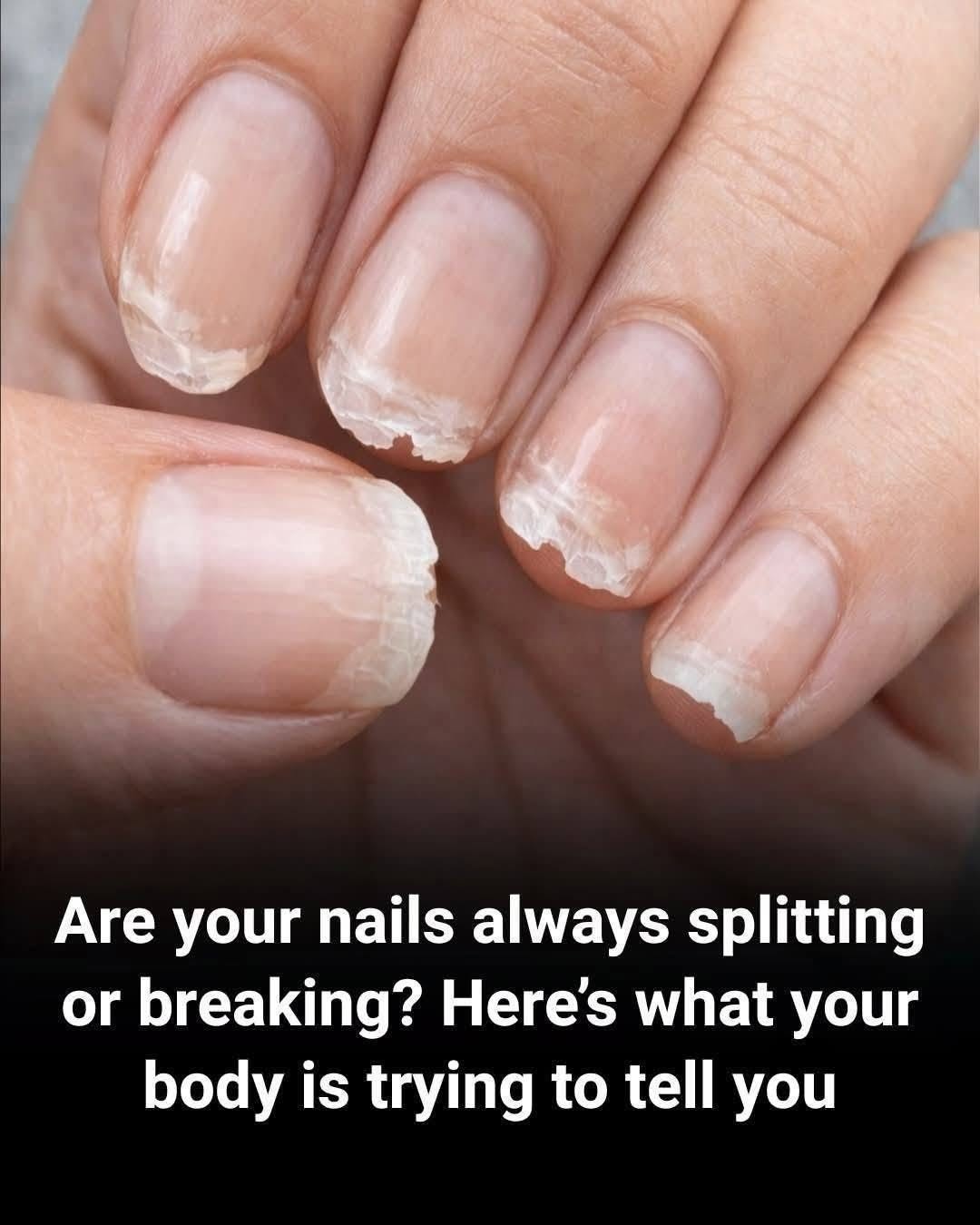
Brittle or Fragile Nails: What Your Body Is Trying to Tell You
Brittle, weak, or easily breaking nails are a common concern. Sometimes they are simply the result of frequent washing, exposure to cleaning products, nail polish, or repeated manicures. But in some cases, changes in your nails can also be a clue that your body needs attention.
Your nails are made mostly of a protein called keratin. Healthy nails generally grow gradually and have a smooth, consistent appearance. When they become unusually thin, split, peel, crack, or break easily, it is worth considering what might be causing the change.
What Causes Brittle Nails?
There isn’t always one single cause. Brittle nails can develop because of everyday habits, environmental exposure, nutritional issues, aging, or certain medical conditions.
1. Too Much Water Exposure
Frequent contact with water can weaken nails, particularly when your hands repeatedly become wet and then dry out. Washing dishes, cleaning, or working with your hands in water for long periods may contribute to splitting and peeling.
Wearing protective gloves during household chores and applying a moisturizing hand or nail cream afterward can help.
2. Harsh Chemicals and Cleaning Products
Household cleaners, detergents, solvents, and some nail products can dry out the nails and surrounding skin. Repeated exposure may make nails more fragile.
Try using gloves when handling cleaning products and avoid unnecessary contact with strong chemicals.
3. Frequent Manicures and Nail Treatments
Gel manicures, acrylic nails, nail extensions, and frequent use of nail polish remover can sometimes leave nails dry or damaged, especially when products are removed aggressively.
Giving your nails occasional breaks and avoiding picking or peeling products from the nail surface may reduce damage.
4. Nutritional Deficiencies
In some people, brittle nails may be associated with inadequate nutrition. Low levels of certain nutrients, including iron, zinc, protein, or other vitamins and minerals, can affect nail growth and appearance.
However, brittle nails alone do not prove that you have a deficiency. Taking supplements without knowing the cause is not always helpful. If your nails have changed significantly, a healthcare professional can determine whether testing is appropriate.
5. Iron Deficiency
Iron deficiency can sometimes be associated with changes in the nails. In more pronounced cases, nails may become thin or develop an unusual shape.
If brittle nails occur along with persistent tiredness, weakness, pale skin, shortness of breath, or dizziness, discussing the symptoms with a healthcare professional may be worthwhile.
6. Thyroid Problems
Changes in thyroid function can affect the skin, hair, and nails. Some people with thyroid disorders notice dry skin, hair changes, or nails that become weak or grow differently.
If nail changes occur alongside unexplained weight changes, unusual tiredness, temperature sensitivity, or changes in heart rate, medical evaluation may be appropriate.
7. Aging
Nails naturally change as we get older. They may become thinner, drier, or more prone to splitting. This is a normal part of aging for many people, although sudden or severe changes should still be evaluated.
When Nail Changes May Need Medical Attention
Most brittle nails are not an emergency. However, it is a good idea to see a healthcare professional if the changes are sudden, severe, persistent, or accompanied by other symptoms.
Seek medical advice if you notice:
- A sudden major change in nail texture or color
- Nails separating from the nail bed
- Significant pain, swelling, or redness around the nail
- Persistent yellow, thickened, or crumbly nails
- Dark streaks that are new or changing
- Nail changes affecting several nails without an obvious reason
- Other symptoms such as unexplained fatigue, weight changes, or weakness
A doctor may examine your nails and, depending on your symptoms and medical history, recommend blood tests or other investigations.
How to Make Your Nails Stronger
You can take several simple steps to protect your nails:
Keep Nails Moisturized
Apply a moisturizing cream or cuticle oil regularly, particularly after washing your hands. Keeping the nails and surrounding skin hydrated can help reduce dryness and splitting.
Wear Gloves
Use rubber or protective gloves when washing dishes, cleaning, gardening, or working with chemicals. This reduces prolonged exposure to water and irritants.
Keep Nails at a Comfortable Length
Long nails are more likely to catch on clothing or objects and break. Keeping them moderately short can reduce accidental damage.
File Gently
Use a fine nail file and move it gently in one direction rather than aggressively sawing back and forth. Avoid tearing or biting the nails.
Avoid Picking at Your Nails
Peeling nail polish, gel products, or damaged layers of the nail can remove parts of the nail surface and make it weaker.
Eat a Balanced Diet
A balanced diet containing adequate protein, vegetables, fruits, whole grains, and sources of essential vitamins and minerals supports normal nail growth.
Do Nail Supplements Work?
Biotin supplements are often marketed for stronger hair and nails. Some people may benefit from biotin when they have a genuine deficiency, but deficiency is relatively uncommon, and supplements are not a guaranteed solution for brittle nails.
It is better to identify the underlying cause before taking high-dose supplements. Some supplements can also interfere with certain laboratory tests, so always tell your healthcare professional about supplements you are taking.
The Bottom Line
Brittle nails are often caused by simple factors such as frequent exposure to water, chemicals, dryness, or nail treatments. But persistent or unexplained nail changes can sometimes be associated with nutritional deficiencies or other health conditions.
The appearance of your nails can provide useful clues, but nails cannot diagnose a medical condition by themselves. If your nails have changed suddenly, continue to deteriorate, or are accompanied by other symptoms, consider speaking with a healthcare professional.
With gentle nail care, adequate nutrition, protection from harsh chemicals, and attention to persistent changes, you can give your nails the best chance to grow stronger and healthier.
This article is for general educational purposes and should not replace professional medical advice, diagnosis, or treatment.