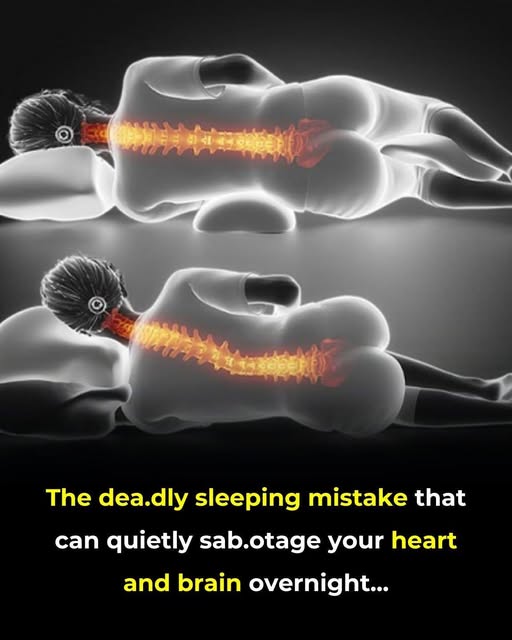
This Sleep Mistake Could Impact Your Heart and Brain Without You Realizing It
Sleep is often treated as something we can sacrifice when life gets busy. One late night becomes several. Weekday sleep gets shortened, and we try to compensate by sleeping much longer on weekends.
But consistently getting too little sleep—or having chronically disrupted sleep—can affect much more than your energy levels.
Over time, poor sleep is associated with cardiovascular problems, metabolic changes, impaired concentration, and other health concerns.
The good news is that improving your sleep habits doesn’t require a complicated routine.
The Mistake: Treating Sleep as Optional
Most adults need around 7–9 hours of sleep per night.
Regularly sleeping less than your body needs can interfere with processes that take place while you’re asleep, including regulation of blood pressure, metabolism, immune function, and brain activity.
An occasional short night isn’t usually a reason for alarm.
The concern is persistent sleep deprivation.
Your Heart Doesn’t Simply “Switch Off” at Night
During healthy sleep, heart rate and blood pressure generally decrease compared with waking hours.
When sleep is consistently inadequate or fragmented, this normal nighttime recovery can be disrupted.
Research has linked chronic insufficient or poor-quality sleep with a higher risk of conditions such as high blood pressure and cardiovascular disease.
That doesn’t mean one bad night’s sleep will damage your heart.
Rather, sleep should be viewed as one part of the long-term habits that influence cardiovascular health.
Your Brain Needs Sleep Too
Sleep isn’t simply a period when the brain becomes inactive.
During sleep, the brain remains highly active and carries out important processes involved in memory, learning, emotional regulation, and other aspects of neurological function.
After a poor night’s sleep, you may notice:
- Difficulty concentrating
- Slower reaction times
- Forgetfulness
- Irritability
- Reduced decision-making ability
- Increased daytime sleepiness
If inadequate sleep becomes a long-term pattern, these effects can become more significant.
The Weekend Catch-Up Trap
One common habit is staying up late during the week and attempting to “catch up” by sleeping much longer on weekends.
Getting additional sleep can certainly help when you’re sleep-deprived, but it doesn’t necessarily erase all of the consequences of chronic sleep restriction.
A more useful strategy is to establish a consistent sleep schedule that gives you enough sleep most nights.
Try to go to bed and wake up at approximately the same times each day, including weekends when practical.
Another Problem: Ignoring Loud Snoring
Sometimes the problem isn’t simply going to bed too late.
If someone sleeps for eight hours but repeatedly wakes throughout the night because of a breathing disorder, they may still feel exhausted the next morning.
Obstructive sleep apnea is one important example.
Possible warning signs include:
- Loud, persistent snoring
- Pauses in breathing noticed by a bed partner
- Gasping or choking during sleep
- Morning headaches
- Excessive daytime sleepiness
- Difficulty concentrating
Sleep apnea deserves medical evaluation because untreated sleep-disordered breathing can have important cardiovascular and other health consequences.
Small Changes Can Make a Difference
A healthier sleep routine can begin with surprisingly simple steps.
Keep a regular schedule. Consistency helps reinforce your body’s sleep-wake rhythm.
Create a darker, quieter bedroom. A comfortable sleep environment can make falling and staying asleep easier.
Limit caffeine later in the day. Caffeine can remain active in the body for hours.
Be careful with alcohol. Although alcohol may make you feel sleepy initially, it can disrupt sleep quality later in the night.
Put electronic devices aside before bed. More importantly than the screen itself, stimulating content and late-night engagement can keep your brain alert.
Get daylight and physical activity during the day. Both can support a healthier circadian rhythm.
Don’t Obsess Over One “Perfect” Night
Sleep naturally varies.
You may occasionally sleep badly because of stress, travel, illness, noise, or an unexpected event.
The goal isn’t perfection.
It’s to develop a pattern that consistently gives your body enough opportunity to sleep and recover.
The Bottom Line
The sleep mistake worth taking seriously isn’t simply staying up late once in a while.
It’s making inadequate or disrupted sleep a chronic habit and assuming your body will simply adapt.
Sleep supports cardiovascular health, brain function, metabolism, mood, and everyday performance. If you’re consistently exhausted despite spending enough time in bed—or if you snore loudly, gasp during sleep, or experience witnessed pauses in breathing—it’s worth discussing the problem with a healthcare professional.
A good night’s sleep isn’t a luxury.
It’s part of taking care of your heart, your brain, and your overall health.